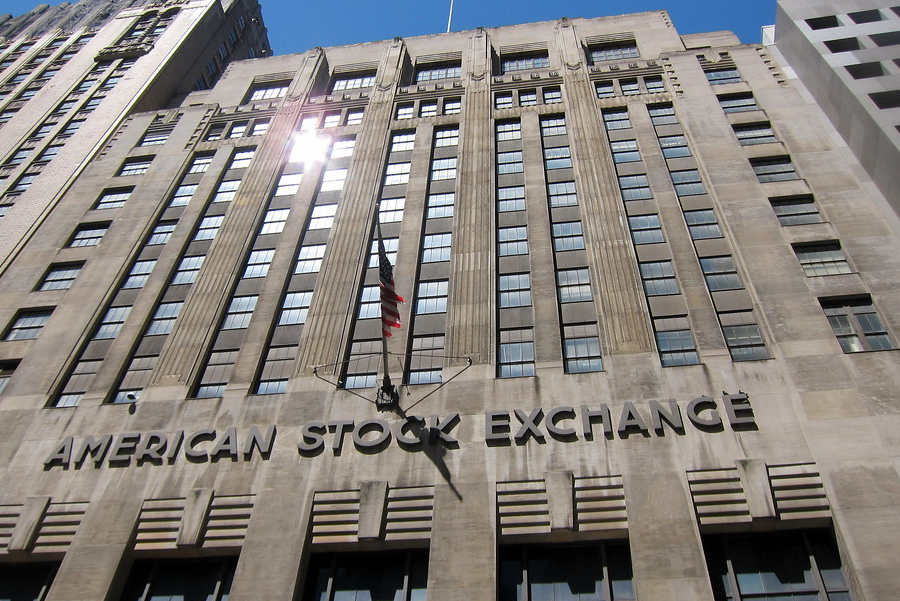
The New York Stock Exchange just dropped big news: it’s building a groundbreaking platform to trade and settle tokenized securities on blockchain, promising faster deals and 24/7 access. But hold on, it needs green light from regulators amid heated fights over crypto laws. What does this mean for your investments?
On January 19, 2026, the New York Stock Exchange announced plans for a new platform that lets people trade tokenized versions of stocks and other securities using blockchain tech. This setup aims to make trading quicker, with instant settlements and round-the-clock availability.
The platform will support trading of tokenized shares that work just like traditional ones, plus new digital-native tokens. It could open doors for smaller trades, stablecoin payments, and easier global access. Intercontinental Exchange, NYSE’s parent company, says this move taps into growing demand for U.S. equities worldwide.
Details are still emerging, but the exchange highlighted features like programmable rules for compliance and full shareholder rights, including dividends and voting. This isn’t just hype; it’s a push to blend old-school finance with cutting-edge tech.
Industry watchers are buzzing. One expert noted that tokenized assets could cut costs by slashing middlemen and paperwork.
Regulatory Roadblocks Ahead
Nothing’s set in stone yet, as the platform needs approval from the Securities and Exchange Commission. NYSE officials stressed they’re working closely with regulators to ensure everything lines up with existing rules.
This comes right as Congress debates the Digital Asset Market Clarity Act, a bill meant to set clear rules for crypto and tokenized assets. Just days ago, on January 14, Coinbase’s CEO pulled support for the bill, citing concerns over stablecoins, DeFi, and tokenized securities. That move delayed a key Senate markup, throwing the bill’s future into doubt.
Coinbase’s withdrawal highlights splits in the crypto world, with some pushing for lighter rules and others wanting strong protections. Lawmakers introduced the bill on January 13 to define roles for regulators like the SEC and CFTC, potentially boosting digital asset use.
Without clear laws, projects like NYSE’s could face delays or changes. A recent Chainalysis report from December 2025 pointed out that 2025 saw major regulatory shifts globally, setting the stage for 2026 battles.
- Stablecoins: Rules on issuance and reserves are hot topics.
- DeFi: How to regulate decentralized finance without stifling innovation.
- Tokenized assets: Ensuring they fit securities laws.
Industry Voices Weigh In
Not everyone’s on the same page. Groups like the World Federation of Exchanges and Citadel Securities are calling for a framework that aligns with SEC standards to avoid market chaos.
Citadel, a big player in trading, argues for rules that protect investors while allowing growth. The World Federation echoes this, saying clear guidelines could make tokenized trading a global standard.
On the flip side, Nasdaq filed a similar plan back in September 2025 to trade tokenized securities alongside regular ones, still awaiting SEC nods. This shows a trend: major exchanges racing to blockchain.
A December 2025 CFTC pilot program allowed digital assets like Bitcoin and Ethereum as collateral in derivatives, signaling more acceptance. SEC Chairman’s remarks last month hinted at upcoming rules for “Regulation Crypto,” including token categories and exemptions.
Posts on X (formerly Twitter) show excitement, with users talking about how this could bring trillions on-chain. One post even linked it to cryptos like XRP, predicting huge benefits for early adopters.
| Key Players | Stance on Tokenization |
|---|---|
| NYSE | Pushing for launch with regulatory approval |
| Coinbase | Withdrew support from Clarity Act |
| Citadel Securities | Demands SEC-aligned framework |
| World Federation of Exchanges | Calls for clear global standards |
| SEC | Reviewing proposals, potential new rules in 2026 |
What This Means for Investors
For everyday investors, tokenized securities could change the game. Imagine buying fractions of high-priced stocks easily or trading anytime, not just market hours.
This might lower barriers for newbies, especially in emerging markets where access to U.S. stocks is tough. A 2025 Reuters report noted senators’ bill could spur adoption if passed, potentially adding billions to the economy.
But risks loom. Without solid rules, fraud or market swings could hurt. Experts warn of cyber threats in blockchain systems, though NYSE promises top security.
Looking back, 2025 was a turning point. The DTCC got SEC approval in December to tokenize stocks and bonds, paving the way for moves like NYSE’s. A Sidley Austin insight from late 2025 predicted more coordination between agencies.
One short take: This isn’t just about tech; it’s about making finance fairer.
The NYSE’s bold step into blockchain tokenized securities marks a pivotal shift in how we trade stocks, blending tradition with innovation amid regulatory uncertainty. As debates rage over the Digital Asset Market Clarity Act and Coinbase’s surprising pullback, the future of finance hangs in the balance, offering hope for faster, more inclusive markets but demanding careful oversight to protect everyone involved.

Finn Wells is a proficient news writer at Crypto Quill, specializing in delivering the latest updates on Bitcoin and altcoins to readers worldwide. With a keen interest in the ever-changing landscape of digital currencies, Finn’s articles provide insightful analysis and up-to-the-minute news on the cryptocurrency market. Known for his meticulous research and commitment to accuracy, Finn brings a fresh perspective to the world of blockchain technology. Stay informed with Finn’s comprehensive coverage of Bitcoin and altcoins, as he continues to illuminate the crypto space with his expertise and dedication at Crypto Quill.
 Bitcoin
  Ethereum
  Tether
  BNB
BNB  XRP
XRP  USDC
USDC  Solana
  TRON
TRON  Lido Staked Ether
  Figure Heloc
  Dogecoin
  USDS
USDS  WhiteBIT Coin
  Bitcoin Cash
  Cardano
  Wrapped stETH
  Hyperliquid
  LEO Token
  Wrapped Bitcoin
  Chainlink
  Binance Bridged USDT (BNB Smart Chain)
  Monero
  Wrapped Beacon ETH
  Ethena USDe
  Canton
  Stellar
  Wrapped eETH
  USD1
USD1  Dai
Dai  sUSDS
sUSDS  Litecoin
  MemeCore
  PayPal USD
  Coinbase Wrapped BTC
  Rain
Rain  Hedera
  Avalanche
  WETH
WETH  Zcash
Zcash  Shiba Inu
  Sui
Sui  USDT0
USDT0  Toncoin
  Cronos
  Bittensor
  World Liberty Financial
  Circle USYC
  Tether Gold
  PAX Gold
  Ethena Staked USDe
  Mantle
  Uniswap
  BlackRock USD Institutional Digital Liquidity Fund
  Polkadot
  Global Dollar
  OKB
OKB  Falcon USD
  Pi Network
  Sky
Sky  Aster
Aster  HTX DAO
  syrupUSDC
  NEAR Protocol
  Aave
Aave  Ripple USD
  Pepe
Pepe  Bitget Token
  Ondo US Dollar Yield
  BFUSD
BFUSD  Ondo
Ondo  Ethereum Classic
  Siren
Siren  Internet Computer
  Gate
Gate  Janus Henderson Anemoy Treasury Fund
  KuCoin
  Quant
Quant  Jupiter Perpetuals Liquidity Provider Token
  Pump.fun
  POL (ex-MATIC)
  USDD
USDD  Spiko EU T-Bills Money Market Fund
  Worldcoin
  Jito Staked SOL
  Kaspa
Kaspa  Render
  Kelp DAO Restaked ETH
  NEXO
NEXO  USDtb
USDtb  Binance-Peg WETH
  Cosmos Hub
  Rocket Pool ETH
  Morpho
  Ethena
  Binance Bridged USDC (BNB Smart Chain)
  Superstate Short Duration U.S. Government Securities Fund (USTB)
  Midnight
  Wrapped BNB
  Algorand
  Function FBTC